
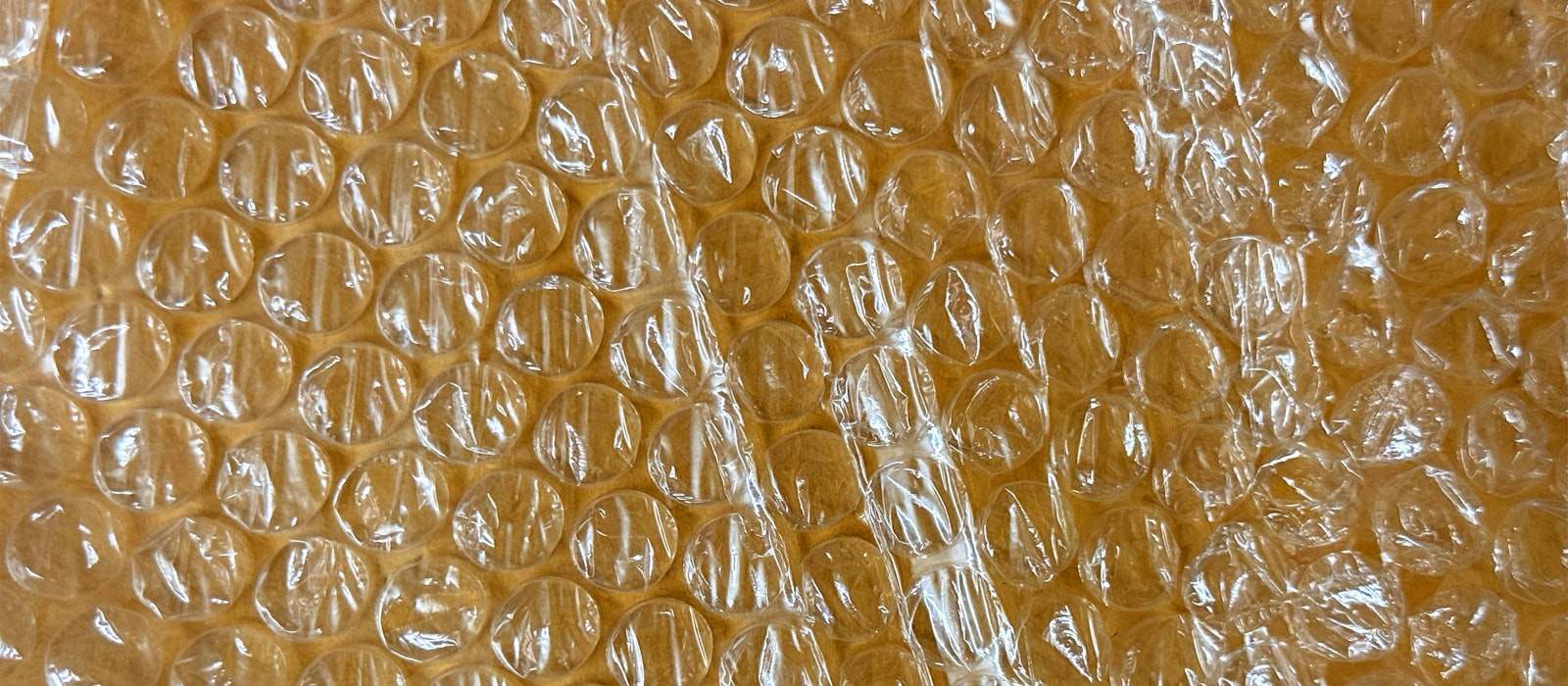
Stretch Film
Stretch film is a flexible packaging film that wraps around loads stacked on a pallet to hold them together, reducing shifting and damage caused by dust or moisture. With both hand and machine application options, it offers a suitable solution for palletizing operations of every scale.
Products in this category
Products for this category are coming soon.
What Is Stretch Film?
Stretch film is a flexible, self-adhering (cling) plastic packaging film that holds products stacked on a pallet together by wrapping around them. It is applied under tension; the film's tendency to spring back toward its original shape after stretching (elastic recovery) compresses the load from the inside out, allowing the pallet to move as a single unit. This compression effect reduces the risk of the load shifting, tipping over, or being affected by dust and moisture during transport.
Stretch Film or PE Shrink Film?
Stretch film and PE shrink film are often confused with one another, but they are two different technologies. Stretch film is wrapped under tension at room temperature and gets its tightness from the film's elastic tension - no additional equipment or heat source is required. Shrink film, by contrast, is wrapped loosely and then heated with a heat tunnel or hot air gun; the heat shrinks the film so it fits tightly around the contour of the product. Stretch film is preferred for high-volume, fast-turnaround applications such as pallet unitizing, while shrink film is more commonly used for single-item or small-group packaging where product visibility and a tight outer surface are the priority.
PAKKORA's Stretch Film Range
PAKKORA's stretch film products are LLDPE (linear low-density polyethylene) based and are offered in two application types - hand and machine - across different colors and sizes.
- Hand (manual) stretch film: Applied by hand with the help of a wrap dispenser; a practical solution for small-volume shipments, irregularly shaped loads, or occasional palletizing operations.
- Machine stretch film: Used with turntable or orbital wrapping machines; delivers consistent tension and speed for facilities running high-volume, standardized palletizing.
- Color options: Available in clear, black, red and colored (custom color) options; clear film allows visual inspection of the pallet's contents, black/opaque film conceals and protects light- or UV-sensitive products, and colored film can be used for batch- or line-based visual coding.
Difference Between Hand Wrapping and Machine Wrapping
In machine application, the film is pre-stretched during wrapping; this allows more pallets to be wrapped with the same amount of film while also helping wrapping tension stay consistent along the pallet. In hand wrapping, tension depends on the force applied by the operator, so wrap quality can vary from person to person - which is why machine wrapping is preferred for high-volume or standardized palletizing operations.
What Determines Film Thickness?
The thickness (gauge/micron) of stretch film determines the balance between wrapping cost and puncture/tear resistance. Thinner film uses less material and offers more stretch allowance, meaning more pallets can be wrapped per roll; however, the risk of puncturing increases with sharp-edged or heavy loads. Thicker film resists puncturing better but has a higher unit cost and less stretch allowance. The right thickness should be chosen based on the weight of the load, the sharpness of its edges, and the tension applied by the wrapping method (hand or machine); the exact value should be confirmed against the supplier's technical documentation.
Wrapping Technique and Common Mistakes
- Under-wrapping: A load wrapped with too few layers or too little tension can shift on the pallet or come apart during transport.
- Over-wrapping: Wrapping more layers than necessary increases film cost and wrapping time, and also creates unnecessary waste from a sustainability standpoint.
- Missing top/bottom wrap: Wrapping only the pallet's side faces, without including the top layer or the base pallet boards, can allow the load to shift from the top or slide on the pallet.
- Neglecting corner protection: Wrapping stretch film directly over sharp-edged boxes or packages without using corner boards can cause early puncturing and tearing of the film.
Use Alongside Other Load-Securing Products
Stretch film is not a load-securing solution on its own but a complementary layer. Anti-slip rubber pads placed under the pallet increase friction on the pallet surface, while strapping provides additional securing for heavy or irregular loads; stretch film is then wrapped over these two layers to preserve the integrity of the unit and add a further barrier against dust and moisture.
Storage and Shelf Life
Stretch film rolls should be stored in a cool, dry place away from direct sunlight to preserve the film's stretch and cling properties. Rolls exposed to UV light for extended periods can become brittle over time and may tear earlier than expected during wrapping; prolonged outdoor storage is therefore not recommended.
You may also need
Ready to order or need more detail?
Tell us your quantity and destination port — we reply with a quote.